Harvey, Illinois, declares itself financially distressed


City of Harvey
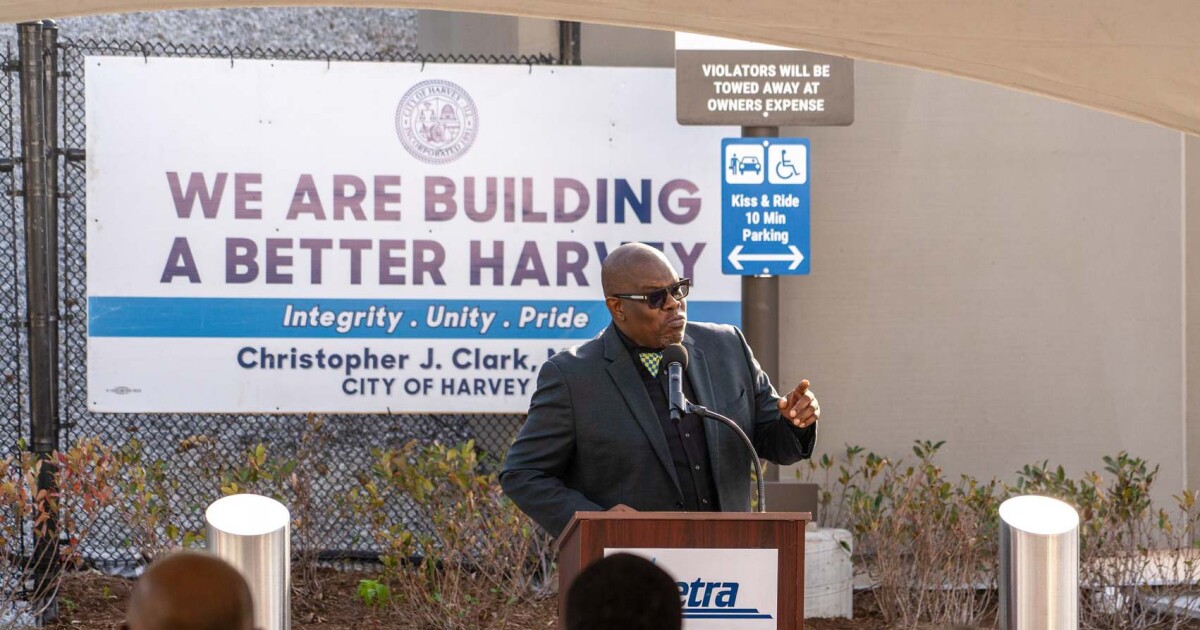
The city council of Harvey, Illinois, voted to declare thelong-troubled city distressed in a bid for state oversight, as Mayor Christopher J. Clark warned of an impending city government shutdown.
The vote clears the way for the state to assume financial control of Harvey and possibly, city leaders hope, to bail the city out.
But the tools the distress declaration makes available may not meet the magnitude of Harvey’s financial problems.
“That will provide some oversight,” said Joe Tabor, director of legal research at Illinois Policy, a nonprofit Chicago-based think tank with libertarian leanings. “You will see the financial advisory authority will have to approve budgets, contracts, loans, that sort of thing. But they’re pretty limited in what they can do.”
Illinois does not allow its municipalities to declare Chapter 9 bankruptcy. East St. Louis isthe only other Illinois city to seek state oversight under the distressed municipalities law, Tabor said. It stayed
Harvey is $164 million in debt and has the third-highest property taxes in Illinois, but a 52% property tax collection rate,
Its firefighter pension fund is
In East St. Louis, Tabor said, the financial advisory authority had to reject several of the city’s proposed budgets. But when the authority tried to impose its own budget, the city sued, and won.
The precedent that established may weaken future state interventions, including in Harvey.
“They have to approve (the budget), but they don’t have a whole lot of power in their oversight abilities,” Tabor said of the state authority.
Struggling south suburbs like Harvey are in a different league than Chicago, Tabor said, but all would benefit from the ability to file Chapter 9.
“We already authorize it for the Illinois Power Agency,” he said. And “just (having the) option, it helps when you are trying to negotiate with creditors.”
Moreover, a bankruptcy court can restructure pension debt or renegotiate pension benefits even when a legislature cannot, Tabor noted.
That would require the General Assembly to pass a Chapter 9 bankruptcy authorization.
It would also help if the legislature passed an amendment changing the pension protection clause in the state constitution, Tabor said.
But when it comes to pensions, the prevailing mood in Springfield seems to be denial, he said.
“I think that’s definitely the case,” Tabor said. “We got a lot of federal aid during the pandemic that didn’t solve any structural issues, but it obscured them. Governments didn’t feel the pain of the debt that they were in, and the spike in inflation made it easier to meet those COLA adjustments (as) you saw the state receive record revenue.
“It’s those sorts of things that made Springfield believe that it’s not as much of a problem anymore,” he said.
The recent
Tabor added that while Harvey is in much worse shape than Chicago, how the state deals with Harvey could have implications for Chicago.
“They do have similar issues; they have pension problems, they’re looking at budget shortfalls,” he said. “Chicagoans already pay pretty high taxes. It would be bad news for them to see property taxes like Harvey has.”
Harvey City Council members did not respond to requests for comment, and the mayor’s communications team did not return phone calls seeking comment.